Primrose Hill Painters & Decorators
Period-home decoration
A period interior in Primrose Hill can hold more than one generation of work. Decide which features matter, which finishes may change and what has to be looked at before any surface is prepared.
Discuss your project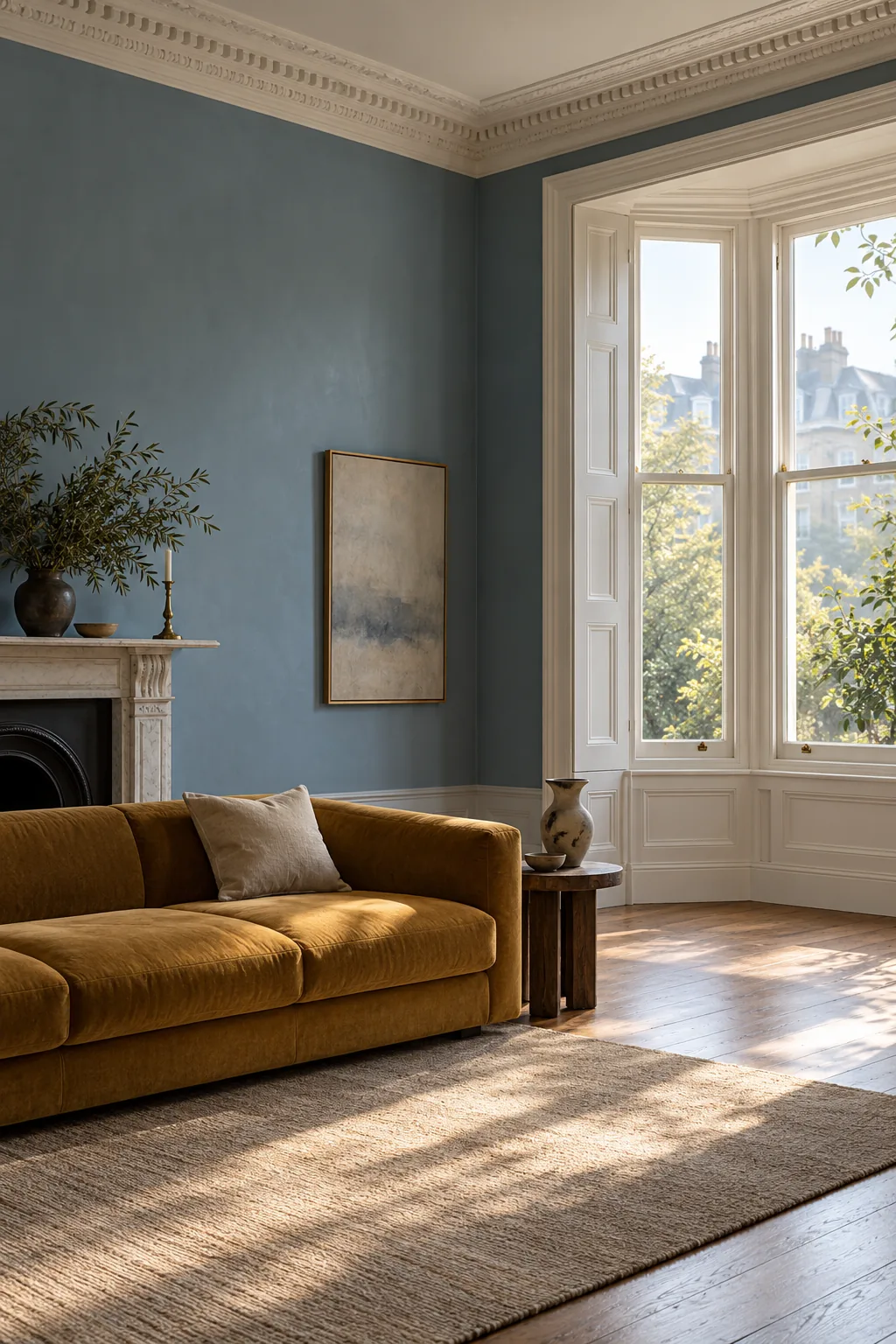
Record what the project will retain
Photograph cornices, ceiling roses, shutters, panelling and distinctive door profiles. Include any known information about earlier repairs or finishes. Mark surfaces that are excluded from the decorating scope so a general instruction to prepare a room does not override a decision to retain a particular detail.
Check internal work as well as the façade
Camden’s listed-building guidance covers changes affecting special interest inside the building as well as outside it. Share the proposed preparation and finish schedule when seeking advice. A room being out of public view does not by itself settle whether consent is required. The published Primrose Hill Article 4 schedule is a separate matter: it includes painting exterior brickwork visible from the highway at properties on the affected list, and it does not set the paint inside a room.
Sources: Camden: listed buildings and consent; Camden: Primrose Hill Article 4 schedule; Camden: properties affected by the Primrose Hill direction
Make the handover from repairs explicit
Separate plaster repairs, timber repairs and other remedial work from decoration. Agree who confirms that each area is ready, and what happens if preparation reveals something unexpected. Decisions on existing fabric should be resolved before the corresponding surface is included in the painting sequence.
Use restraint where the detail carries the room
Review the wall, ceiling and joinery samples as a group. Consider whether contrasting colours help a moulding read clearly or draw more attention than you intend. Keep the chosen references and any approved methods together; they become the record against which the finished scheme can be reviewed.
Earlier finishes, and when they stay
Historic England notes that old paint layers can help explain a historic interior, and that they may be of interest in their own right. A period-home specification in Primrose Hill should therefore start by asking what must not be removed. Cornices, ceiling roses, shutter leaves, graining, an early varnish on a handrail, or a scheme hidden under later emulsion, are not automatic obstacles to be flattened. Photograph them and mark them excluded, investigated, or included under a stated method. If a listed building is involved, Camden’s consent duty reaches internal work that affects special interest, not only the façade people see from the street. Describing a room as private does not close that question. Where advice is being sought, send the preparation method as well as the colour. Dry scraping a loose flake is a different proposal from dipping a shutter or sanding an architrave back to bare wood. Camden separates matching maintenance from a change of materials or methods. The quotation should follow whichever route has been accepted, and it should leave a blank where the decision is still open rather than pricing a strip that nobody has agreed.
Sources: Historic England: redecorating a historic home; Camden: listed buildings and consent; Camden: maintenance and work to listed buildings
Mouldings, and preparation that can blunt them
The detail that makes these rooms is easy to lose in a hurry with filler and abrasive paper. A cornice, a bead on a shutter, a raised panel and a run of egg-and-dart need a method that keeps the profile. Fill only the hole, not the ornament. Sand along the member rather than across it until the shape disappears. If a section is already clogged with old paint, say whether it will be eased back locally or left, and get advice before the eased-back area becomes the whole elevation of the room. Plaster repairs at a cornice junction should be finished to the existing line, then primed as the coating manufacturer requires. Do not spot-paint a fresh plaster repair with the final colour and hope the sheen will match. It will tell in raking light from the sash. Ceiling colour, cornice colour and wall colour should be sampled together because a strong contrast can make a damaged moulding look worse, while a very close tone can hide work you wanted to see. Record the choice against a photograph of the sample in the room, taken in daylight and with the lamps you actually use.
A schedule that follows the advice, not a mood board alone
Once any consent conversation, freeholder note or conservation comment exists, the decorating schedule should quote it. Put the document name, the surfaces it covers and any sample that must be approved before application. Then build the room list underneath: ceiling, walls, cornice, shutters, window linings, doors, skirting, cupboards. Each line gets a preparation note and a product note, or the words not included. Primrose Hill’s listed terraces and villas are not one interior. A Chalcot house and an Elsworthy house can share sash windows and still differ in plaster, timber and what the list entry protects. Do not copy a scheme from the neighbouring street and call it appropriate. If repairs by a plasterer or a joiner come first, name the handover and the person who will accept the surface. Discovery of an earlier colour, of timber decay, or of loose plaster, pauses that line. The pause should be in the terms you agree, so the rest of a sound room can continue while the uncertain part is looked at. Keep the approved sample, the product references and the consent paper in one place for the review at the end.
Questions about Period-home decoration
What does period-home decoration include, and what must be marked as kept?
Period-home decoration is the brief for a Primrose Hill interior where earlier work has to be identified before surfaces are prepared. It records cornices, ceiling roses, shutters, panelling and door profiles, each marked as excluded, investigated, or included under a stated method. It is not a reason to strip every layer back to one smooth finish. This page is where you say what painting, joinery or wallpaper must not damage. If an earlier scheme may sit under the present paint, say so before anyone sands.
Do listing and conservation controls affect rooms that are not seen from the street?
A conservation area describes the setting and the exterior character. It does not, by itself, catalogue the cornice or the paint inside your room. A listed building is different. Camden’s guidance covers work that affects special interest inside as well as outside. Send the preparation method with the colour when you ask for advice. Matching maintenance and a change of method are not the same proposal. The Primrose Hill Article 4 schedule checks exterior brickwork at affected addresses. It is not a ban on paint inside.
What should I send for a period-home quotation?
Send the address, any list description or consent paper you already have, and photographs of the details you want kept. On a room list, mark the surfaces that are out of scope so a general instruction to prepare the room cannot override them. Name plaster or timber repairs that someone else will finish, and who will say the surface is ready. Houses on the same Primrose Hill street can share sash windows and still differ in what a list entry protects.
How should the house stay usable while details are protected?
Agree which rooms are lived in and which can be closed. Protection has to cover the details you are keeping, not only the floors. A cornice and a shutter are easy to mark if they become a ledge for boards or tools. Keep preparation dust in the room, fill ornament only where the profile survives, and prime a plaster repair as the coating requires. Recoat intervals follow the product sheet. They are not a fixed number of days for the whole house.
Related services
Area guides for this work
Your Primrose Hill project
A room, a façade,
a new direction.
Tell us what you have in mind, where the property is and which surfaces need attention.
Let’s discuss the work
Include the address, current condition and any access arrangements.